
Whoa! This hit me the first time I tapped a card to my phone. I was half expecting a clunky setup and somethin’ that would feel toy-ish. My instinct said this could actually work—simple, tactile, reliable. Initially I thought hardware wallets needed buttons and screens, but then realized a passive card can do most of the heavy lifting without the fuss. On one hand it seems almost too small to be serious, though actually the design choices matter more than size.
Okay, so check this out—using a card-based NFC wallet changes the risk model. Really? Yes. Medium-length sentences here to explain without going too deep right away. The short version: you remove a lot of attack surface by keeping keys offline and eliminating Bluetooth pairing headaches. On the longer side, when a private key never touches your phone, the probability of malware exfiltration drops substantially, even if your phone is compromised.
I’m biased, I’ll admit it. I like things that click and feel finite. Hmm… this part bugs me: many people treat crypto security like an abstract checklist. My gut reaction was to simplify. Something felt off about recommending a 12-word phrase to someone who just wants to buy coffee with crypto. So I went deeper—tested, probed, and yes, occasionally cursed at UX that was very very unintuitive.
Short burst. Seriously? The onboarding can be that easy. Medium: a good card gives you a guided pairing flow that uses NFC taps and clear confirmations. Longer thought: because the card itself can show cryptographic fingerprints or use companion apps to verify transactions, you end up with an experience where the human is actually in the loop, meaning fewer accidental approvals and clearer mental models for what’s being signed.
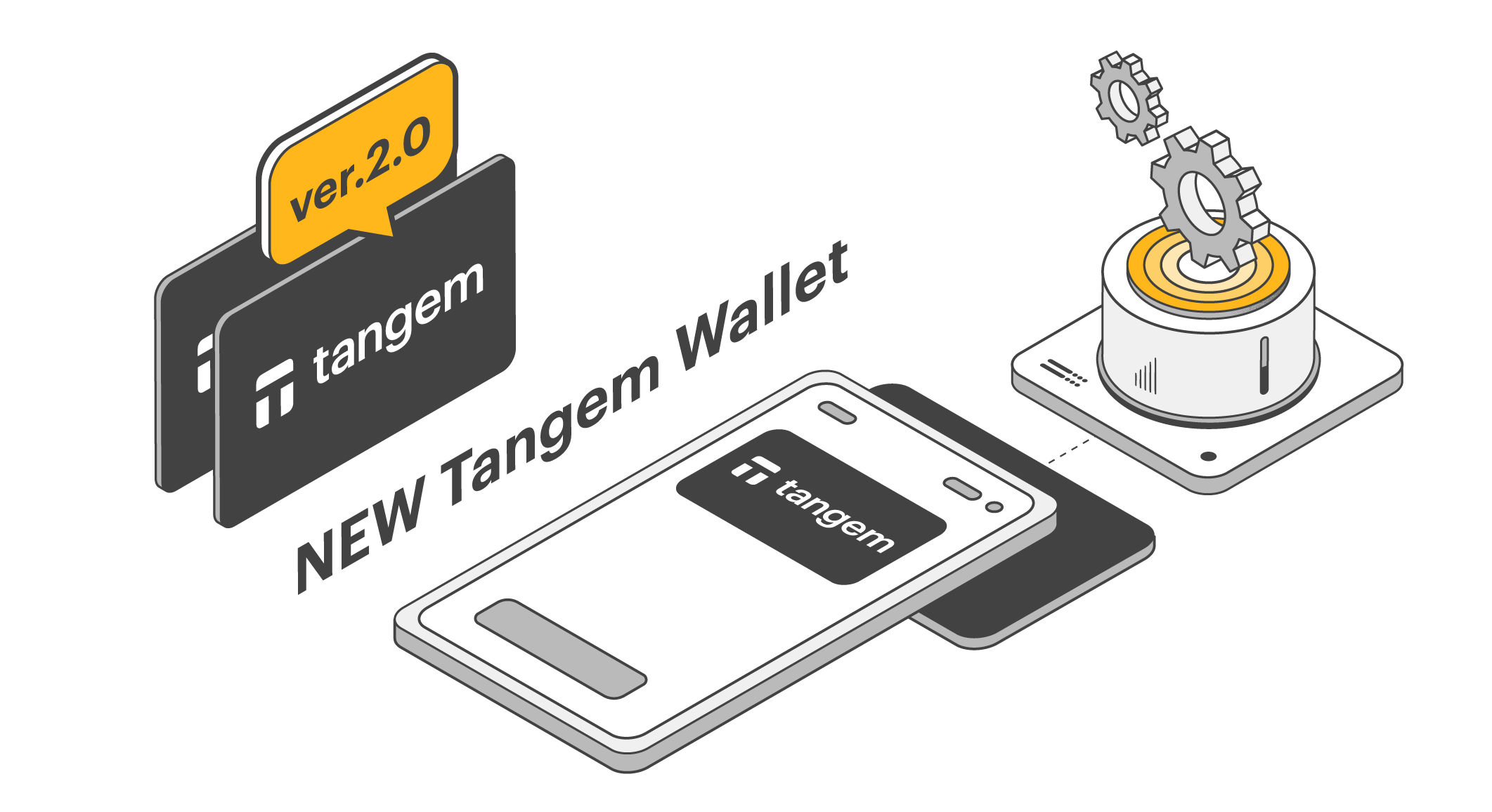
Real-world trade-offs — my hands-on notes
Wow! After a week of daily use, patterns started to show. Short: some things felt delightfully frictionless. Medium: the card is passive, so you don’t need to charge it, and that alone changes expectations. Longer: although it’s convenient, there’s a trade-off in recovery flows and depending on the card’s firmware, you may need to rely on the vendor or a multisig strategy to protect against loss.
Here’s what bugs me about one-size-fits-all recovery advice. Some vendors push recovery seeds; others push custodial backups. My instinct said decentralization should be the default, but actually, wait—let me rephrase that: decentralization is great when you can manage it, but many users want pragmatic, low-risk options. On one hand, that creates tension; on the other, it opens the door for hybrid approaches—like combining a card with a secure cloud-encrypted backup held by a trusted friend.
Check this next point—interoperability matters. Short: standards make life easier. Medium: cards that support common protocols mean you can switch wallets and still keep your keys. Long: if a vendor locks you into a proprietary format or forces you to use only their app, the long-term risk of obsolescence or support abandonment becomes very real, which is why I always test whether a card exports keys in widely-accepted formats or supports open signing standards.
Okay, practical tip time. I tried a few NFC cards and one stood out for its on-card signing ergonomics. I tapped, verified a hash, and approved. The UX was actually calming. My initial reaction was skepticism, then a pleasant surprise—transaction confirmation felt both human-scale and cryptographically sound. I’m not 100% sure this will scale to every edge case, but for everyday transactions it’s a huge step up.
How I think about threat models for a card-based NFC wallet
Short: know your adversary. Medium: if you’re protecting against casual phone compromise, the card is excellent. Medium: if you’re protecting against targeted, hardware-level attacks, you need to layer protections. Long: remember, no single device is a silver bullet; use multisig or physical separation for high-value holdings, and treat any single card like one component in a broader defense-in-depth strategy.
On one technical note—tapping over NFC does not magically encrypt everything end-to-end without proper design. My working through contradictions here: on one hand NFC is short-range and convenient; on the other hand it can be proxied or eavesdropped in theory, so the card’s protocol must include robust anti-replay and strong authenticated signing. I inspected how some vendors approach this and the differences were… telling.
I’ll be honest: support and firmware updates are a constant worry. Short: you need a vendor that patches. Medium: a locked-down device that never updates can be safe today and vulnerable tomorrow. Long: consider whether the card supports secure firmware signing, whether updates can be verified offline, and whether the vendor has a clear vulnerability disclosure policy—these operational details matter way more than marketing headlines.
Okay, one last practical angle—price vs. benefit. Short: cards are affordable. Medium: you get durability and low maintenance compared to a full hardware device with batteries. Long: balance the convenience gains with your portfolio size; for many casual users a card is enough, but for large holdings I still recommend redundancy and layered strategies.
Frequently asked questions
Is a card-based NFC wallet as secure as a traditional hardware wallet?
Short answer: often yes for common threats. Medium answer: the security depends on firmware, the cryptographic implementation, and how you use it. Longer explanation: if the card performs secure on-card signing, keeps the private key non-exportable, and uses robust protocols for NFC communication, it can provide comparable security for day-to-day transactions while offering better UX; but for very large sums, combine it with multisig or an air-gapped cold-storage solution.
What happens if I lose the card?
Short: recover from backup. Medium: if you wrote down your recovery phrase or set up additional signers, you can recover. Longer: if the vendor uses proprietary recovery that requires their service, that adds a dependency; prefer cards and workflows that allow you to establish independent recovery measures so loss doesn’t become catastrophic.
Okay, so final candid thought—I’m excited about where this is going. I’m not claiming perfection. I’m saying that for many people a card-based NFC wallet hits the sweet spot between usability and security. If you want to read up or try one, check out tangem. Seriously, give it a look—your future self might thank you… or at least be relieved you didn’t lose your keys in a couch cushion.